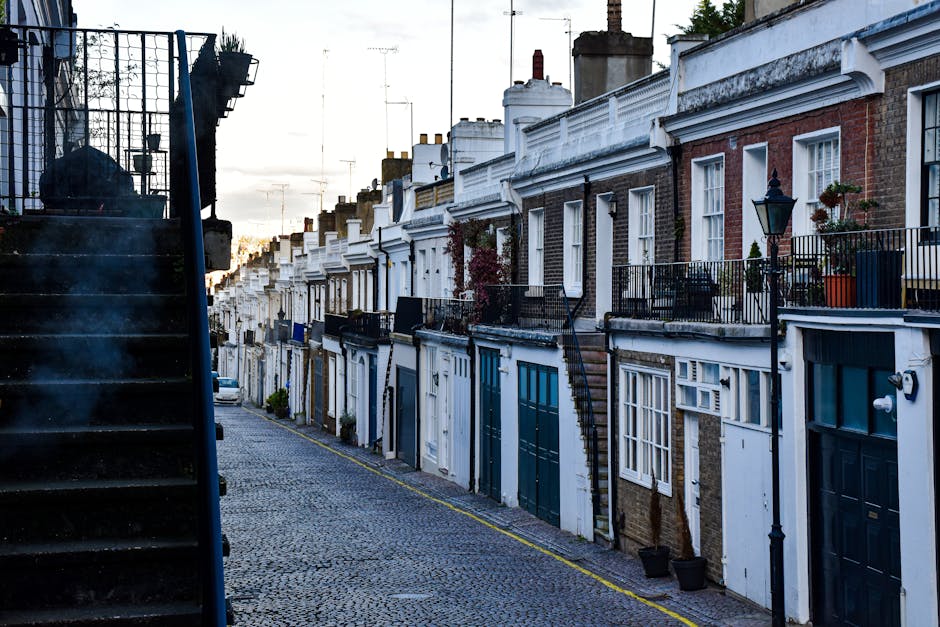
Baker Street man and van Lisson Grove parking and stair tips
If you are planning a move in NW1, the small things matter more than people expect. Baker Street man and van Lisson Grove parking and stair tips can save time, reduce stress, and stop a simple job turning into a slow, awkward one. In Lisson Grove, a few extra seconds spent checking the kerb, the stairwell, or the lift booking can make the whole day feel calmer. That is the difference between a tidy move and a day of faff.
This guide is built for real moving conditions: tight streets, narrow entrances, top-floor flats, awkward corners, and the usual London mix of loading pressure and limited space. You will find practical parking advice, stair-handling suggestions, planning steps, and a few common-sense safeguards that are easy to overlook when you are in a rush. Truth be told, most moving problems are not dramatic. They are small, avoidable, and a bit annoying. So let's deal with them properly.
Why Baker Street man and van Lisson Grove parking and stair tips Matters
Parking and stairs sound like minor details until you are standing outside a block in Lisson Grove with a sofa that will not quite turn, a driver trying to keep the van close, and the neighbour's car taking the one sensible loading gap. Then it becomes obvious. Access is part of the move, not an extra detail added at the end.
For a man and van job, good access planning matters because the whole service depends on short walking distances, efficient loading, and safe handling. If the van is parked too far away, even a well-run move starts to slow down. If the stair route is cramped, the crew has to move more carefully, which is sensible, but it also takes longer. And if you are moving from a Baker Street or Lisson Grove property with narrow halls, older staircases, or shared entrances, you can see why a little pre-planning pays off.
In our experience, people often underestimate the time lost to tiny obstacles: a resident permit bay full of parked cars, a delivery lorry blocking the road, a stair rail that narrows the angle for a wardrobe, or a lift that is technically available but too small for bulky items. None of this is unusual in London. It is just moving life in the city. To be fair, that is exactly why experienced movers talk about access first.
Parking and stairs also affect safety. A rushed lift, a bad grip, or a long carry up several flights can increase the chance of damage to items and strain to the people moving them. That is not the kind of excitement anyone wants. Better to slow down at the planning stage and keep the actual move smooth.
How Baker Street man and van Lisson Grove parking and stair tips Works
The basic idea is simple: before the van arrives, you work out where it can stop, how long it can stay there, how the crew will reach the property, and what will happen once they get inside. That means looking at the street outside, the building entrance, the stairwell, and any shared areas that might affect access.
A good man and van move usually follows a straightforward pattern. First, you identify the safest and closest legal parking position. Then you think about the walking route from vehicle to door. After that, you review the inside route from entrance to room, paying special attention to stairs, landings, tight turns, and any obstacles such as low ceilings or bannisters. Small point, but important: a route that looks fine in your head can feel very different when you are holding a heavy box at chest height.
If you are moving in the Lisson Grove area, you may also need to consider loading restrictions, shared access arrangements, and times of day when traffic is busier than expected. Early morning can feel calmer. Midday can be a mess. Evening can be a mixed bag. The exact situation depends on the street, the building, and how busy the area is that day. There is no magic answer, just good habits.
For stair tips, the goal is to reduce risk and avoid unnecessary rehandling. That often means:
- measuring large items before moving day
- removing loose parts like shelves or drawers
- protecting corners and banisters
- keeping the stair route clear of shoes, bags, and clutter
- deciding in advance which items should be carried by two people
It sounds obvious written out like that. On the day, though, people forget. The kettle goes missing, someone is still packing clothes, and suddenly the stairs become a bottleneck. That is where a calm plan earns its keep.
Key Benefits and Practical Advantages
When the parking and stair plan is solid, the benefits show up immediately. You get faster loading, fewer pauses, less lifting strain, and a more predictable moving day. That may sound dry on paper, but in real life it feels like relief.
Here is the practical upside:
- Less time wasted: the crew spends less time walking back and forth from van to door.
- Lower damage risk: fewer awkward turns and fewer rushed lifts mean fewer bumps and scrapes.
- Better safety: clear stair routes and sensible item handling reduce strain and trip hazards.
- More accurate scheduling: a move with good access is easier to time, especially if other jobs follow.
- Less neighbour friction: no one enjoys blocking the pavement longer than necessary.
There is also a quieter benefit: confidence. When you know the van will fit somewhere sensible and the stairs have been thought through, the day feels more manageable. That counts for a lot, especially if you are already juggling keys, boxes, and final meter readings.
For businesses, the advantages are even clearer. Office gear, archive boxes, screens, and desks can all create access issues if the parking position is poor or the stair route is tight. In those cases, a commercial moves approach or a more structured removal services plan may be a better fit than a casual last-minute arrangement.
Who This Is For and When It Makes Sense
This guidance is useful for anyone moving in or around Lisson Grove, Baker Street, Marylebone, or nearby central London streets where access can be tight. It is especially helpful if you are dealing with stairs, limited parking, or a building with shared entryways.
You will get the most value from these tips if you are:
- moving between flats with no dedicated driveway
- handling a top-floor property without a lift, or with a very small lift
- moving furniture that is bulky, awkward, or fragile
- trying to keep costs under control by reducing wasted time
- booked on a weekday where street activity is likely to be busy
- moving on a tight timetable, such as before check-in, handover, or work start times
Students and renters often benefit the most because their moves tend to be compact but fiddly. A few heavy bags, a bed base, a desk, a mirror, and a couple of boxes can still become complicated if the stairwell is narrow. If that sounds familiar, a service like student removals or a lighter man and van option can be a very sensible fit.
It also makes sense if you are trying to move one or two bulky items rather than a full household. That is where careful parking and stair planning often matter more than people expect. A sofa is not just a sofa when it has to pivot around a corner without scuffing the wall. You know the type.
Step-by-Step Guidance
Use the following sequence to keep the move organised. Nothing fancy. Just a practical order that helps you avoid the usual delays.
1. Check the street and the building access in advance
Look at where the van can reasonably stop, how wide the road is, whether there are loading bays, and whether any time restrictions may affect your arrival. If possible, stand outside the property before moving day and actually picture the route. The walk from kerb to front door can tell you more than a rushed phone call ever will.
2. Measure the awkward items
Measure wardrobes, sofas, mattresses, headboards, large mirrors, desks, and appliances. Then compare those measurements to the stair width, landing space, and doorway openings. A tape measure is boring, yes, but it is also one of the most useful things in the room. If an item is borderline, decide early whether it needs dismantling or extra hands.
3. Decide what needs protection
Use blankets, wraps, corner protectors, and straps where needed. Focus on the items that are most likely to rub or shift. Banisters, painted walls, and fragile item edges are the usual trouble spots. A little protection now can save a lot of annoying repair later.
4. Clear the staircase and entrance path
Move shoes, plant pots, loose mats, bikes, and anything else that might trip someone or snag an item. If there are shared hallways, tell neighbours politely if access will be busy. A clear route is faster, safer, and much less stressful. Simple, really.
5. Assign heavy or awkward pieces properly
Not every item should be carried the same way. Large mirrors, mattresses, white goods, and antique pieces often need a two-person carry or a more careful angle. If an item feels borderline, do not bluff your way through it. That is how elbows catch corners and moods go sideways.
6. Load in a sensible order
Start with the largest and heaviest items, then build around them. Keep essentials accessible if you need them at the destination first. If the move is part of a full home relocation, a broader plan from home moves or house removals can help you sequence everything better.
7. Re-check the route at the destination
Do not assume the new property will be easier just because the first one was manageable. Check the entrance, the stairs, lift size, and turning space before the van is fully unloaded. A five-minute check can prevent a twenty-minute carry from going nowhere.
Practical summary: parking gets the van close, stair planning gets the items inside, and timing keeps the whole thing efficient. Miss one of those pieces and you feel it immediately.
Expert Tips for Better Results
These are the little habits that experienced movers tend to use without making a big show of it. Nothing glamorous. Just practical working knowledge.
Tip 1: Build in a buffer for street access. If you think access will be tight, assume it will be slightly tighter on the day. Another car, a delivery driver, or a neighbour leaving late can change the picture fast. A small timing buffer helps more than most people realise.
Tip 2: Use the stairs before you commit to the lift. In some buildings, the lift is available but slower than carrying small items by hand. In others, the stairs are too narrow and the lift is essential. Choose based on the actual item, not habit.
Tip 3: Protect the corners, not just the item. People often wrap the furniture and forget the building. But the wall at the turn on the second landing is usually the thing that suffers first. A bit of protection there can save a repair conversation nobody wants.
Tip 4: Break down anything that creates an awkward profile. A flat-packed bed frame is easier to move than a half-disassembled frame that still catches on the stair rail. If something can be made easier in advance, do it. No need for heroics.
Tip 5: Keep heavy items moving in short, controlled bursts. Especially on stairs, short pauses at a landing are safer than forcing a long awkward carry. Slow and steady. Boring but good.
Tip 6: Talk clearly with the moving team. If a door swings inward, if the stairwell twists, or if one room is only reached through another, say so before the item is already halfway through. It saves everyone a bit of grief.
There is also a money angle here. Better access planning can reduce wasted time, which may keep the job more efficient and avoid unnecessary extra labour. If you are comparing options, looking at pricing and quotes alongside access requirements is a sensible move. Cheap is fine, but cheap and chaotic is rarely a bargain.
Common Mistakes to Avoid
Most access problems come from a handful of familiar mistakes. None are unusual. People are busy, and moving days are noisy. Still, they are avoidable.
- Assuming parking will be fine: this is the big one. "We'll just find a space" can turn into a delay very quickly.
- Ignoring stair measurements: the item that is two centimetres too wide will suddenly feel like a wall.
- Leaving the stairwell cluttered: bags, boxes, and coats seem harmless until someone trips or loses balance.
- Forgetting about turning space: a landing may be wide enough, but the angle into the room may not be.
- Not warning about fragile or awkward items: if something needs special handling, say it early.
- Underestimating weather: rain makes steps slick, handles awkward, and patience thinner. London weather does enjoy making itself known.
One subtle mistake is overconfidence with lighter items. A small box can be easy. Ten small boxes on a narrow staircase can be a different story entirely. The staircase does not care that each box is "not that heavy". It still wants space.
Another one: not allowing time for the inevitable tiny interruption. A neighbour walking out, a car reversing, a door code issue, someone forgetting keys. Moving day has a way of collecting little delays like it is trying to be funny. Not very funny, but there we are.
Tools, Resources and Recommendations
You do not need a warehouse of equipment to manage a good move, but a few practical tools make a real difference. The aim is not to over-prepare. It is to remove friction where possible.
- Tape measure: for checking furniture, doors, lifts, and stair width.
- Strong boxes: consistent sizes stack better and are easier on stairs.
- Blankets and wraps: useful for protecting furniture edges and walls.
- Straps or rope: helpful for securing loads inside the van.
- Gloves with grip: especially useful for bulky items and damp conditions.
- Labels: simple room labels save time at the destination.
If you are packing from scratch, the planning guide in packing and boxes can help you choose the right materials. For jobs that need a bit more hands-on support, packing and unpacking services can take pressure off the schedule and reduce last-minute chaos. That can be especially useful if stairs are already making the day harder than expected.
Sometimes the right recommendation is simply to move fewer things in one go. If you have items you do not need immediately, a storage option can make the move less crowded and the stair handling easier. Fewer items in motion means fewer chances for a wrong turn or a scratched wall. Easy win, really.
Law, Compliance, Standards, or Best Practice
When parking and loading are involved, it is wise to stay within the rules that apply to the street and the building. Exact requirements can vary depending on location, restrictions, and property management arrangements, so it is best to check in advance rather than assume. In London, that often means being careful about where the vehicle stops, how long loading takes, and whether any permit or access arrangements are needed.
Good practice also means respecting shared spaces. Keep entrances clear where possible, avoid blocking fire exits, and handle communal areas with care. That is not just polite. It is sensible. The best moves are the ones where nobody later says, "Well, that was a bit of a mess."
If you are dealing with heavier goods, awkward furniture, or fragile pieces, safe lifting technique matters too. It is usually better to take a second person, use the right carry angle, or split the task than to force one person into an awkward lift. The same applies to stairs. Rushing is where trouble starts.
For businesses and households that want an extra layer of reassurance, checking the company's health and safety policy and insurance and safety information is a sensible step. It helps set expectations and shows that the move is being handled properly, not casually.
And while this article focuses on access and handling, broader moving quality still matters. Choosing a provider with clear terms, straightforward communication, and a documented process can make the day a lot smoother. No drama. Just good standards.
Options, Methods, or Comparison Table
Different access setups call for different approaches. The best method depends on the building, the items, and how much time you have. Here is a simple comparison to help you choose.
| Method | Best for | Advantages | Trade-offs |
|---|---|---|---|
| Close kerbside parking | Short moves, bulky furniture, limited time | Fast loading, less carrying, less fatigue | May be hard to find in busy streets |
| Longer walk from a legal parking spot | Low-volume moves where space is tight | More flexible if nearby parking is limited | Slower and more physical |
| Stair carry with two people | Large or awkward items | Better control and safer turning on landings | Needs coordination and space |
| Lift-assisted move | Flats with suitable lift access | Reduces stair effort and speeds up repeated trips | Not always available or large enough |
| Partial dismantling before move | Furniture with tight stair access | Makes turns easier and lowers damage risk | Requires extra prep time and tools |
In practice, a hybrid approach is common. For example, a sofa might be dismantled, a wardrobe might be moved in sections, and boxes might be carried using the stairs. That mix is often more efficient than trying to treat every item the same way.
Case Study or Real-World Example
Here is a typical Lisson Grove-style scenario. A customer was moving from a third-floor flat with a narrow staircase and no lift. The street outside had limited parking, and the nearest sensible loading position was not directly in front of the entrance. Not disastrous, just tricky enough to matter.
Before move day, the customer measured the sofa, bed frame, and wardrobe sections, then flagged the tightest parts of the stairwell. The mover arranged the van so the largest items could come out first, and the team used the shortest clear route from kerb to building. One wardrobe section needed a slight tilt on the first landing. The sofa took two people and a slower turn at the top of the stairs. Nothing fancy. Just careful handling.
The move finished without damage, without rushed lifting, and without anyone getting into that slightly frantic mode where all conversation becomes short and sharp. The real win was not speed for its own sake. It was steady progress.
That is what good Baker Street man and van Lisson Grove parking and stair tips look like in reality. Not magic. Not luck. Just thoughtful access planning, decent communication, and a willingness to pause when a turn looks awkward. A very normal move, done properly, tends to feel almost easy by the end. Almost.
Practical Checklist
Use this before move day and again just before the van arrives.
- Measure the largest furniture and appliances
- Check parking options near the property
- Confirm any building access rules or time limits
- Clear the hallway, stairs, and entrance path
- Protect corners, banisters, and fragile surfaces
- Decide which items need two-person handling
- Label boxes by room and priority
- Keep keys, codes, and contact numbers ready
- Make sure the destination access is checked too
- Allow a little extra time for traffic and loading
If you want the shortest version possible: measure first, park smartly, clear the stairs, and keep the route simple. That alone solves a surprising number of problems.
Conclusion
Baker Street man and van Lisson Grove parking and stair tips are really about making the move kinder to everyone involved. When the van is placed well, the stair route is clear, and the awkward items are planned properly, the whole day becomes easier to manage. You spend less time worrying about access and more time getting settled.
The best moves are rarely the flashiest ones. They are the calm ones. The ones where someone checked the parking, measured the sofa, and thought about the landing before the lifting started. Small effort, big payoff.
If you are preparing for a move in NW1 and want a smoother, more predictable experience, take the time to plan the access before the boxes start stacking up. It really does help, and on moving day you will notice the difference straight away.
Get a free quote today and see how much you can save.
Frequently Asked Questions
What is the main purpose of Baker Street man and van Lisson Grove parking and stair tips?
The main purpose is to reduce delays, improve safety, and make loading and carrying items easier in streets and buildings where space is limited. Good parking and stair planning help the move run more smoothly from start to finish.
Why does parking matter so much for a man and van move?
Parking matters because the closer the van can legally and safely stop, the less distance items need to be carried. That usually means faster loading, lower fatigue, and less chance of damage.
How do I know if my staircase is too narrow for furniture?
Measure the widest point of the item and compare it with the stair width, landings, and turning spaces. If the item seems close to the limit, plan for dismantling or extra help rather than guessing on the day.
Should I measure furniture before booking a move?
Yes, especially for sofas, wardrobes, beds, and large appliances. Measurements help you decide whether the item can go upstairs intact or whether it needs to be taken apart first.
What if there is no parking directly outside the property?
That is common in London. In that case, choose the nearest legal and practical loading spot, then make sure the walking route is clear. A short extra walk is usually manageable if it is planned in advance.
Are lifts always better than stairs for moving items?
Not always. A lift can help with repeated trips, but some lifts are too small for larger items or too slow to be efficient. Sometimes stairs are quicker for smaller boxes, while bulky pieces need a different plan.
How can I protect walls and banisters during a move?
Use blankets, wraps, or corner protection where needed, and keep the route clear so items are not forced into tight scrapes. Careful carrying matters just as much as protective materials.
What are the most common mistakes people make on moving day?
The biggest mistakes are assuming parking will be easy, underestimating stair difficulty, leaving the hallway cluttered, and not measuring furniture beforehand. These are simple things, but they cause a lot of avoidable stress.
Is it worth using packing services if stairs are difficult?
It can be, yes. If access is awkward, professional packing and unpacking can reduce the number of trips, improve organisation, and make the move less physically demanding.
Can a man and van service handle top-floor flats?
Yes, many can, provided the item sizes, stair access, and timing are planned properly. Top-floor moves usually just need more care, better pacing, and a realistic view of the workload.
How do I make moving day safer for everyone?
Keep routes clear, avoid rushing, use the right number of people for heavier items, and make sure parking and access are sorted before the van arrives. Safety is usually about the basics done well.
What should I do if the property has very tight access?
Tell the moving provider as early as possible, share measurements, and discuss whether items should be dismantled or carried in sections. The more detail you give upfront, the fewer surprises later.
Can access issues affect the cost of a move?
They can, because difficult parking, long carries, or extra stair work may take more time. That is why it helps to be clear about access when asking for a quote, so the pricing reflects the actual job.
What is the best last-minute tip for a move in Lisson Grove?
Do one final walk from the van position to the front door and then up the stairs before loading begins. That quick check often reveals the small snag that would otherwise slow everything down.
A well-planned move does not need to be perfect. It just needs to be calm, practical, and kind to your future self. That is usually enough.