Recycling and Sustainability at Man And Van Lissongrove
 At Man And Van Lissongrove, sustainability is built into the way we approach every move, clearance and transport job. Our Man and Van Lissongrove recycling service is designed to reduce landfill use, improve reuse opportunities and support cleaner local waste handling across the communities we serve. We aim to make the process practical, efficient and environmentally responsible, while still keeping the service flexible enough for busy homes, landlords and businesses.
One of our main goals is to achieve a recycling percentage target of 85% across suitable collected materials by prioritising reuse, segregation and responsible transfer. This target reflects a simple belief: the more we sort, recover and repurpose, the less waste ends up being disposed of unnecessarily. In practice, that means identifying items that can be reused, separating recyclables at source, and directing suitable loads to local facilities rather than mixed disposal routes.
We support the boroughs’ approach to waste separation by encouraging clear sorting of common streams such as cardboard, paper, metals, plastics, small electrical items and green waste where applicable. In many parts of North London, local councils promote specific collections and recycling rules, and our teams work in a way that complements those expectations. Whether it is a household clear-out or a shop refresh, our recycling-focused van service helps keep materials moving into the right channels.
Local Transfer Stations and Responsible Processing
 A major part of sustainable moving is choosing the right disposal route. We use local transfer stations and licensed waste facilities to help ensure that collected items are processed efficiently and in line with environmental standards. These sites are important because they allow materials to be weighed, separated and redirected into recycling streams where possible, instead of being sent directly to landfill.
When handling mixed loads, our crews aim to split recyclable content before arrival at the transfer station. This can include flattening cardboard, separating metals, setting aside reusable furniture and isolating any items that need specialist treatment. By preparing loads carefully, the Man And Van Lissongrove recycling approach reduces contamination and improves the chance that materials can be recovered. It is a small operational change that makes a significant difference to overall sustainability.
We also recognise that local transfer stations play a broader role in supporting borough waste targets. Many councils encourage residents and businesses to keep recyclables clean and distinct, and facilities near Lissongrove help make this easier by accepting sorted materials from vans, clearances and trade-style collections. Our aim is to fit into that local network with minimal disruption and maximum resource recovery.
Reuse First: Charity Partnerships and Community Benefit
 A key part of our sustainability work is partnering with charities and reuse organisations so that good-quality items are given a second life. Where suitable, we divert furniture, household goods, books, small appliances and office items away from disposal and into charitable reuse streams. This reduces waste and helps support local and wider community projects at the same time.
These partnerships are particularly valuable during house clearances and end-of-tenancy moves, where many items may still be usable. Instead of treating everything as waste, we assess what can be passed on to charity partners, repaired, or reused by another household. That approach not only lowers environmental impact but also supports a more circular model of moving and clearance. For our eco-friendly van removals, reuse is always considered before recycling, and recycling before disposal.
In practical terms, this means taking care with collection, handling and sorting so that donations remain in good condition. Items earmarked for charity are kept separate from mixed waste where possible, which helps preserve their value and improves the speed of onward distribution. Our environmentally conscious van team works with the mindset that every item should follow the highest-value route available: reuse, recycle, recover and only then dispose.
Low-Carbon Vans for Smarter Local Moves
Transport is a major factor in any sustainability plan, which is why our fleet is made up of low-carbon vans chosen for efficiency, reliability and lower emissions. By using vehicles designed to reduce fuel consumption and support cleaner urban driving, we help minimise the environmental footprint of each job. This matters in an area where traffic, short journey lengths and repeated stop-start driving can all increase emissions if the right vehicle choice is not made.
Our routes are planned to avoid unnecessary mileage, and that complements the boroughs’ wider efforts to reduce pollution and manage waste responsibly. Combining efficient route planning with smart load management means fewer trips, less fuel use and a lower overall carbon impact. For customers looking for a sustainable man and van in Lissongrove, this is one of the most effective ways we can improve day-to-day environmental performance.
We also make sure that our loading methods support sustainability. Efficient stacking reduces the need for extra journeys, while careful item placement lowers the risk of damage and replacement waste. When a van is filled thoughtfully, more can be moved in fewer runs, which cuts emissions and improves service efficiency at the same time.
Working with Local Recycling Habits
 The local recycling landscape is shaped by borough guidance, and we take that into account on every project. In many nearby areas, residents are encouraged to separate dry mixed recycling, food waste, garden waste and residual rubbish into distinct streams. We mirror that logic during collections, helping items remain in the right category so they can be processed correctly at local facilities.
This is especially useful for clearances involving cardboard packaging, office paper, mixed plastics, metal shelving, or old household electronics. These materials can often be recycled when kept clean and sorted, but they are less likely to be recovered if they are mixed with general waste. Our recycling and sustainability service is built around the idea that better separation at collection stage leads to better outcomes at transfer station stage.
We also support customers who are trying to reduce waste more proactively. When possible, we suggest reuse of packing materials, donation of unwanted furniture and separation of recyclable contents before the van arrives. That light-touch, practical approach helps make sustainable moving feel manageable rather than complicated.
Putting Sustainability into Everyday Moving
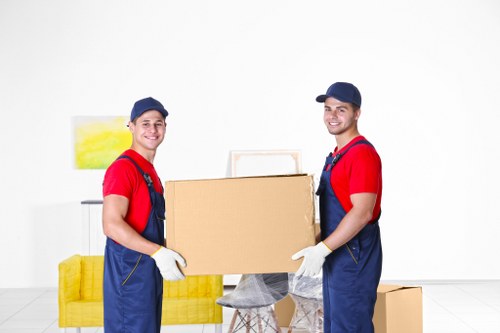 Sustainability is not a side service for Man And Van Lissongrove; it is part of how we operate. From our 85% recycling target and local transfer station use to our charity partnerships and low-carbon vans, every step is intended to reduce environmental impact. We want to make sure that the items we collect are handled in the most responsible way possible, with reuse and recycling taking priority whenever appropriate.
Our Man And Van Lissongrove recycling service supports households, landlords, offices and local businesses that want a cleaner, more considered approach to moving and clearance. By aligning with borough waste separation habits, using licensed transfer points and helping useful items stay in circulation, we contribute to a more sustainable local economy. It is a straightforward model: move well, sort carefully and waste less.
As sustainability expectations continue to rise, we remain focused on practical improvements that make a real difference. Better routing, better sorting and better recovery all add up. For the communities around Lissongrove, that means a moving service that is not only efficient, but also environmentally responsible from start to finish.