Health and Safety Policy for Man And Van Lissongrove
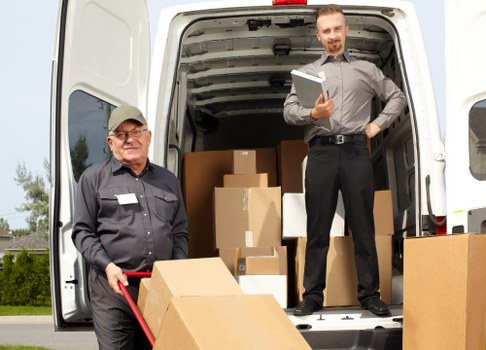 At Man And Van Lissongrove, health and safety is a core part of every move, delivery, and handling task we complete. Our man and van Lissongrove service is designed to protect our team, our customers, and the property we move by working in a careful, organised, and responsible way. We believe that safe operations are not an added extra; they are a fundamental part of providing a reliable man with van service.
We aim to reduce risk through planning, communication, and proper control measures. Every job is assessed before it begins so we can identify possible hazards such as heavy lifting, narrow access points, slippery surfaces, poor lighting, traffic movement, and fragile items. By taking time to prepare, our man and van service can operate efficiently while keeping safety at the centre of the process.
All work is carried out with consideration for the people involved, the goods being transported, and the surrounding environment. Whether the task involves domestic furniture, office items, or general transport, our man and van Lissongrove operations are planned to minimise disruption and prevent avoidable incidents.
Our Health and Safety Commitments
We are committed to maintaining a safe workplace and to following procedures that support careful manual handling, secure loading, and safe driving. Every member of the team is expected to act responsibly, follow instructions, and report any concern that could affect safety. Our man and van Lissongrove policy also requires equipment to be suitable for the task and used correctly at all times.
We believe that safety depends on shared responsibility. Team members must take reasonable care of themselves and others, while customers are encouraged to provide accurate information about access, item size, and any special handling needs. This helps our man and van service prepare the right approach before any lifting or transport begins.
 We operate a clear reporting culture so that risks, near misses, or damaged equipment are not ignored. Any issue identified during a job is recorded and reviewed to support continuous improvement. This careful approach helps our man with van work remain dependable and safe across a wide range of moving tasks.
Safe Working Practices
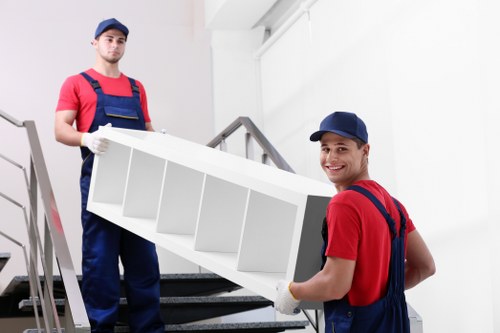
Manual handling is one of the main risks in the removal and transport sector, so we use practical methods to reduce strain and injury. Items are assessed for weight, shape, and stability before they are lifted. When needed, we use team lifts, trolleys, straps, blankets, and other suitable aids to protect both people and belongings. Our man and van Lissongrove team does not rush lifting tasks, because safe handling always comes first.
Vehicles are loaded in a stable and balanced way to prevent shifting during transit. Fragile goods are secured carefully, and heavier items are positioned to reduce movement and improve stability. This disciplined method supports a safer man and van service and helps protect customers’ property from damage while on the road.
 Drivers are expected to operate vehicles with full attention, comply with road laws, and adapt to weather, traffic, and visibility conditions. Before setting off, checks are made to ensure the vehicle is fit for use and that the load is secure. By combining safe driving with careful loading, our man with van Lissongrove service reduces the likelihood of incidents during transport.
Risk Assessment and Staff Responsibilities
Every job begins with a simple but effective risk assessment. This includes reviewing access routes, parking conditions, lifting demands, and any hazards that may affect the move. Where needed, the plan is adjusted to make the work safer and more efficient. Our man and van Lissongrove policy places strong emphasis on planning because well-managed work is usually safer work.
Team members are responsible for maintaining a professional standard of behaviour, wearing appropriate clothing and footwear, and staying alert to changing conditions. They must not carry out tasks beyond their capability or attempt unsafe shortcuts. Clear communication between crew members is essential, especially when moving large or awkward items through tight spaces.
Customers also play an important role by ensuring routes are clear, pets and children are kept away from working areas, and any known hazards are shared in advance. This cooperation supports a safe man and van service and helps ensure each job is completed with care and control.
Training, Equipment, and Incident Response
We provide guidance and training so that staff understand safe lifting techniques, load securing methods, and basic emergency procedures. Equipment is maintained in good condition and checked regularly for wear or damage. If any tool, strap, or trolley is found to be unsafe, it is removed from use immediately. These controls help our man and van Lissongrove work remain consistent and dependable.
In the event of an accident, injury, or property damage, the situation is dealt with promptly and calmly. First aid is given where appropriate, the area is made safe, and the incident is reported for review. Lessons learned are used to improve future practice, reinforcing a culture of prevention across our man with van operations.
 We also take hygiene and cleanliness seriously. Vehicles are kept tidy, loading areas are cleared where possible, and waste is managed responsibly. Maintaining an orderly working environment reduces trip hazards and supports a more efficient man and van service. A clean, organised approach is a key part of our safety standard.
Review and Ongoing Improvement
 This policy is reviewed regularly to ensure it remains effective and relevant to the work we carry out. Updates may be made when procedures change, when new equipment is introduced, or when we identify a better way to manage risk. Our man and van Lissongrove approach is built on improvement, responsibility, and attention to detail.
By following this policy, we aim to protect people, property, and peace of mind throughout every stage of the job. Safety is part of the service, not separate from it, and every action we take reflects our commitment to professional standards. The result is a man and van service that customers can rely on for careful, well-managed work.
Through planning, training, communication, and accountability, our man with van Lissongrove operations remain focused on reducing risk and delivering practical support in a safe manner. We will continue to uphold these principles on every job, every day.