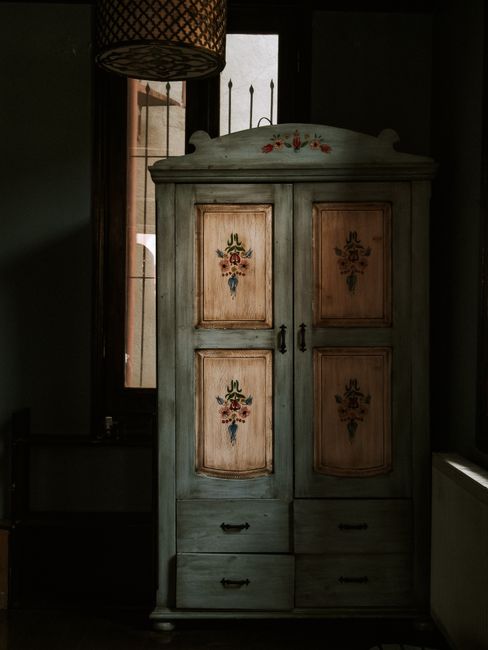
Lisson Grove Case Study Antique Wardrobe Removals
Antique wardrobe removals can look straightforward from the outside. They are not. A tall oak carcass, old brass fittings, awkward stair angles, and a hallway that suddenly feels two inches too narrow can turn a simple job into a proper puzzle. This Lisson Grove case study antique wardrobe removals article looks at what makes these moves different, why planning matters, and how a careful removals approach protects both the furniture and the property. If you are trying to move one treasured wardrobe, or a whole room full of heavy pieces, the same principles apply: measure properly, protect well, move slowly, and don't wing it. Truth be told, antique furniture forgives very little.
This guide explains the process in plain English, highlights the main risks, and shows how to judge whether you need full removals support, a simple man and van service, or a more specialist furniture move. You will also find a checklist, a comparison table, and practical steps you can use before the van even arrives. And yes, we'll keep it grounded in real-world moving conditions in London, where tight access and old buildings can make a job feel instantly more interesting than it first looked.
Table of Contents
- Why Lisson Grove case study antique wardrobe removals Matters
- How Lisson Grove case study antique wardrobe removals Works
- Key Benefits and Practical Advantages
- Who This Is For and When It Makes Sense
- Step-by-Step Guidance
- Expert Tips for Better Results
- Common Mistakes to Avoid
- Tools, Resources and Recommendations
- Law, Compliance, Standards, or Best Practice
- Options, Methods, or Comparison Table
- Case Study or Real-World Example
- Practical Checklist
- Conclusion
- Frequently Asked Questions
Why Lisson Grove case study antique wardrobe removals Matters
Antique wardrobes are not just bigger versions of normal flat-pack furniture. They are often built from dense hardwood, fitted with old joinery, and finished in ways that mark easily. Some have mirrored doors, fragile mouldings, or uneven feet that have been adjusted over decades. A move that ignores those details can cause cracks, split joints, scuffs, or a nasty twist in the frame. Once that happens, repairs can be expensive and sometimes not quite right. You can hide a lot in a home move, but not a split antique wardrobe door. It catches the eye immediately.
In a place like Lisson Grove, the surroundings matter too. Older properties, shared entrances, basement flats, narrow staircases, and parking constraints all change the game. A wardrobe that would be manageable in a modern house may become a different beast once you have to negotiate a tight London landing. That is why a proper case study approach is useful: it helps you think through the real moving conditions rather than assuming the item will simply glide out the door.
There is also a trust angle here. When people search for antique wardrobe removals, they are usually worried about one of three things: damage, cost, or whether the mover actually knows what they are doing. Fair enough. These are sensible questions. A good removals plan should answer them before the move begins, not after something has gone wrong.
For many households, the wardrobe is part of a broader move. In those situations, it makes sense to look at the full picture and consider house removals, furniture removals, or even home moves if the wardrobe is only one element of a larger relocation. The job becomes less about brute strength and more about sequencing, padding, and access control.
How Lisson Grove case study antique wardrobe removals Works
The process usually begins with assessment. That does not mean a vague glance at the furniture and a cheerful "should be fine". It means checking dimensions, load weight, access points, door widths, stair turns, floor protection needs, and whether any parts should be removed before lifting. On antique pieces, the smallest detail can matter. A protruding cornice or a delicate mirror frame may be the difference between a clean exit and a damaged corner.
Next comes the handling plan. Good movers decide whether the wardrobe can be moved as one piece or needs partial dismantling. That choice depends on construction, age, condition, and how it was originally assembled. If a wardrobe has loose fixings or signs of past repair, taking it apart incorrectly can be risky. If it is too large to move intact, careful removal of doors, shelves, and decorative sections may help reduce stress on the frame. The key is to avoid forcing anything.
Padding and wrapping are equally important. Blankets, corner guards, straps, shrink wrap used sensibly, and protective floor coverings all help. For mirrored wardrobes, the mirror surface should be treated as a separate fragile element. For veneered finishes, heavy rubbing or tight straps can leave marks. This is where experience really shows. A mover who works slowly may actually save time in the long run because there is less chance of damage, delay, or rework.
Transport is the final stage, but not the least important. The wardrobe needs to be secured so it does not shift during the journey. If the item is going into storage, the way it is packed may differ slightly from a direct delivery. If you are comparing service types, a general removal services visit can be the right fit for coordinated moves, while a smaller man and van arrangement may suit single-item transport where access is straightforward and the item is not excessively fragile.
Key Benefits and Practical Advantages
The most obvious benefit is protection. Antique furniture usually has more value than the average modern wardrobe, whether that value is financial, sentimental, or both. Careful handling preserves that value. A small chip on a mass-produced cabinet may be annoying. On an heirloom wardrobe, it can feel personal. Let's face it, people often remember the move that damaged the family furniture long after they forget the carpet colour in the new place.
Another advantage is efficiency. Good planning reduces stop-start movement, which is especially useful in buildings with limited access. If the route is mapped properly, the team spends less time wrestling with a piece at the bottom of the stairs and more time moving it safely. That sounds obvious, but a surprising number of moves still rely on optimism rather than measurement.
There is also peace of mind. You want to know someone has looked at the item and thought, "right, here is the safest way to do this." That reassurance matters when the wardrobe is antique, the hallway is tight, and the last thing you need is a rushed decision. If the move requires storage, temporary holding, or a staged delivery, services like storage can reduce pressure and give you time to handle the item properly.
Finally, the right approach can be cost-effective. Damage is expensive. So is hiring the wrong vehicle size, sending too few people, or discovering too late that the wardrobe does not fit through the stairwell. A modest amount of planning at the start often avoids the kind of headache that costs far more to fix later.
Who This Is For and When It Makes Sense
This kind of move is for anyone handling an antique, vintage, or inherited wardrobe that cannot be treated like ordinary furniture. It is especially relevant if the piece is bulky, particularly old, or located in a property with awkward access. In London, that includes many flats, conversions, and terraced homes where the stair geometry has a personality of its own.
It also makes sense for people doing a wider residential move who need one item managed carefully within the larger load. If you are moving a whole household, a specialist job can sit alongside flat removals or a wider home relocation. If you are downsizing, perhaps moving from a larger house to a smaller flat, antique furniture often becomes one of the items that needs the most thought.
Business users can need this too, though it is less common. Antique wardrobes sometimes appear in furnished offices, boutique hospitality settings, or period properties being repurposed. In those cases, a more tailored commercial moves approach may be relevant, particularly if access has to be coordinated with other items and time windows are tight.
And if you only need a single-item collection, maybe from a relative's home or a storage room, a smaller, focused move can be enough. The important thing is matching the method to the object. Not every job needs a giant truck. Not every job is fine with just two straps and a hope.
Step-by-Step Guidance
Here is a practical way to plan an antique wardrobe move without overcomplicating it.
- Measure the wardrobe carefully. Record height, width, and depth. Include any mouldings, handles, and feet. If the piece has mirrored panels, measure those separately too.
- Measure the route. Check doorways, hallways, turns, stair width, banisters, and any awkward ceiling slopes. Do not assume a piece that clears one opening will clear the next. It often doesn't.
- Inspect the condition. Look for loose joints, split veneer, soft hinges, old repairs, or wobbly sections. If the wardrobe is fragile, note that before lifting begins.
- Decide whether to dismantle. Some wardrobes move intact. Others should have doors or top sections removed. Choose the least risky option, not the most convenient one.
- Prepare protection materials. Use blankets, padding, straps, and floor protection. For mirrored or polished pieces, add extra corner care.
- Clear the path. Remove rugs, side tables, picture frames, and anything that could snag the item or get knocked.
- Assign roles. One person should guide, one should lift or support, and one should monitor the route if needed. Too many voices can cause confusion.
- Move slowly and communicate. Count turns, warning points, and lift moments out loud. A simple "stop", "tilt", or "clear" can prevent clumsy mistakes.
- Load securely. Once in the vehicle, brace the wardrobe so it does not slide or rattle. A moving truck or suitable removal vehicle should carry it upright where possible.
- Recheck on arrival. Before placing it in the new room, inspect the item. Catching a small issue early is much better than spotting it after the rest of the move is finished.
If the job feels too tight, too heavy, or too delicate, step back. That is not failure. That is judgement, and in removals judgement is half the job.
Expert Tips for Better Results
First, protect the floor before you move the wardrobe, not after. Old timber floors, painted skirting, and polished thresholds can all be marked by one careless shuffle. Even a minute spent laying protection can save a lot of regret.
Second, keep hardware in labelled bags if any dismantling is involved. Screws, brackets, and fittings from antique furniture have a funny habit of disappearing when you need them most. A simple bag and a clear note can make reassembly far easier.
Third, take photos before and during the prep. This is not just for peace of mind. It helps if the wardrobe needs reassembly, or if you want to remember exactly how the doors sat before removal. Handy little trick, that.
Fourth, if the wardrobe includes a mirror or glazed section, treat it like a separate fragile item. A mirror panel may require a different wrap, a different lift angle, and different vehicle positioning. The same goes for wardrobes with decorative carvings or finials.
Fifth, think about timing. Early morning moves can be calmer in some London streets, and quieter corridors can help in shared buildings. It is also worth allowing extra time if parking is restricted. That extra twenty minutes is often the difference between a smooth move and a slightly fraught one.
Where the item forms part of a bigger move, ask whether packing support would help. Services such as packing and boxes or packing and unpacking services can reduce overall pressure, especially if the wardrobe sits in a room full of other furniture and loose belongings.
Common Mistakes to Avoid
The first common mistake is underestimating the weight. Antique wardrobes are often heavier than they look. Dense wood, solid panels, and older construction methods can make them awkward even when they are empty. If it takes two people to push it slightly across the room, that is already telling you something.
The second is forgetting about access. People sometimes measure the wardrobe and stop there. But the real issue may be the stair bend, the narrow landing, or the entrance step. Always measure the route as well as the item.
The third is moving too fast. Rushed lifting leads to bent handles, trapped fingers, and bumped corners. Antique pieces reward patience. They do not reward bravado.
The fourth is wrapping too tightly or in the wrong places. Over-compression can stress old joints and polished surfaces. Padding should protect, not squeeze.
The fifth is assuming one vehicle type fits every job. A smaller removal van can be ideal for a single item, but if you also have other furniture, you may need a larger setup or even removal truck hire. Matching the vehicle to the load is simple in principle, yet easy to overlook when you are focused on the wardrobe itself.
And one more, because this one sneaks up on people: not telling the movers about previous damage. If the wardrobe already has loose trim or a repaired leg, say so. Surprises are for birthdays, not removals.
Tools, Resources and Recommendations
You do not need a warehouse full of kit for a careful antique move, but the right basics matter. Strong blankets, furniture straps, floor runners, corner protection, soft packing material, and labelled bags for hardware are all useful. For mirrored furniture, keep extra wrap or padding on hand.
It can also help to have a basic measuring tape, a torch for darker stairwells, and a notepad or phone camera for recording the layout. None of this is glamorous. All of it is useful.
If your move involves more than one heavy item, it may be worth speaking with a provider that handles both individual pieces and full households. Pages such as furniture removals and removals are the most relevant starting points when you want a broader service that still keeps the focus on handling items properly.
For more general information about how a company works, it can also help to review the about us page, especially if you are comparing trust, service style, and communication standards. You may also want to check the insurance and safety information before booking, because valuable furniture deserves proper cover and careful handling, not loose promises.
If you are weighing up value versus convenience, the pricing and quotes page is a sensible next stop. Clear pricing is not just about budget. It helps you understand what is included, what assumptions are being made, and whether the move is being planned properly.
Law, Compliance, Standards, or Best Practice
For antique wardrobe removals, the main compliance concerns are usually safety, insurance, and fair handling practice rather than anything highly specialised. In the UK, moving work should be carried out with reasonable care for both people and property. That means proper lifting, sensible vehicle loading, and avoiding unnecessary risk. It sounds obvious, but obvious is good when the object in question is heavy and irreplaceable.
If a move involves employees or hired operatives, basic health and safety expectations become especially relevant. Good practice includes risk awareness, safe manual handling, and checking access conditions before the job starts. A moving team should not improvise dangerously in a tight stairwell just because the booking is running late. That sort of thinking usually ends badly.
Insurance matters too. Not because everyone expects something to go wrong, but because antique furniture is not the place to rely on luck. Ask how the item is covered during handling and transport, and make sure any important assumptions are understood before the move. If something feels vague, ask again. Better a slightly awkward question now than a far more awkward one later.
Environmental responsibility can also be relevant. If old wrapping, damaged fixtures, or surplus furniture are being removed, choose a company that takes recycling and sustainability seriously. You can review the approach on the recycling and sustainability page. Practical waste handling is part of good service, not an afterthought.
Lastly, terms and conditions matter. They set out what is included, how bookings are handled, and what happens if access is more difficult than expected. That is not thrilling reading, admittedly, but it is useful reading. A tiny bit boring, yes. Still useful.
Options, Methods, or Comparison Table
Choosing the right approach depends on the wardrobe, the property, and how much else is moving with it. Here is a simple comparison that helps frame the decision.
| Option | Best for | Strengths | Watch-outs |
|---|---|---|---|
| Single-item man and van | One wardrobe or a small number of items | Flexible, efficient, often cost-conscious | May not suit very fragile or oversized pieces without careful prep |
| Full furniture removals | Wardrobe plus other household furniture | Better for coordinated handling and protection | Usually more planning required |
| House removals | Entire home move with antique items included | Best for complex access and multiple rooms | Can be overkill for a single item |
| Storage first, delivery later | When the new location is not ready | Reduces pressure and allows staged relocation | Requires careful wrapping and storage planning |
If you are still undecided, a common rule of thumb is simple: the more fragile, heavy, or awkward the wardrobe is, the more value there is in a structured removals service rather than a minimal transport-only option. That said, sometimes a smaller setup is perfectly enough. It depends on the facts, not the label.
Case Study or Real-World Example
Here is a realistic example based on the kind of situation people commonly face in Lisson Grove. A client needed to move a tall antique wardrobe from a first-floor bedroom in a period property into a different home nearby. The wardrobe had a mirrored door, a top cornice, and a slightly uneven base from earlier repairs. The staircase had a narrow turn halfway down, and the front entrance opened onto a busy street with awkward parking. Nothing dramatic. Just enough friction to make the job interesting.
The first step was to measure the wardrobe and the route. That revealed the piece would not safely clear the stair turn intact, so the team planned partial dismantling of the doors and top decorative section. Hardware was bagged and labelled. Floors and doorframes were protected. The mirror panel was wrapped separately and handled as a fragile component rather than just "part of the wardrobe".
Because access was tight, the team worked slowly, with one person guiding each turn and another controlling the base. The wardrobe was moved out without forcing it through the landing. On arrival, it was reassembled, checked for alignment, and placed where the client wanted it before any other boxes were opened. That mattered. Once the room filled up, it would have been much harder.
The main lesson from this example is straightforward: a careful plan often looks unhurried from the outside, but it is what prevents the expensive mistakes. The move did not depend on speed. It depended on attention. Quiet attention, really. The best kind.
Practical Checklist
Use this before the move begins.
- Measure the wardrobe, including handles, feet, mirrors, and top mouldings.
- Measure every doorway, stair turn, and landing on the route out.
- Check for loose joints, previous repairs, or fragile finishes.
- Decide whether dismantling is safer than moving intact.
- Set aside blankets, padding, straps, and floor protection.
- Clear the pathway in advance.
- Label any hardware if parts are removed.
- Confirm who will guide, lift, and monitor access.
- Make sure the vehicle size suits the item and the wider load.
- Check whether storage is needed before final delivery.
- Review insurance, safety, and booking terms before the move day.
- Take photos of the wardrobe before wrapping or dismantling.
If you can tick most of those off, you are in a much better place. If not, pause and sort the weak spots first. Simple as that.
Conclusion
Lisson Grove case study antique wardrobe removals is really about one thing: handling a valuable, awkward, and often sentimental item with proper care. The best outcomes come from measuring carefully, planning the route, protecting the finish, and choosing the right level of support for the job. In older London homes, where access can be tight and surprises are common, that care is not optional. It is the whole point.
Whether you are moving one wardrobe or organising a wider household move, the smartest path is usually the calmest one. Slow down, check the details, and let the furniture tell you what it needs. That approach saves money, reduces stress, and protects the piece for years to come.
Get a free quote today and see how much you can save.
And if you are still standing in front of that wardrobe wondering how on earth it is going to fit through the door, you are not alone. With the right plan, it usually does.
Frequently Asked Questions
What makes antique wardrobe removals different from normal furniture moves?
Antique wardrobes are usually heavier, more fragile, and more awkwardly built than modern furniture. They may have delicate veneers, mirrors, loose joints, or decorative sections that need extra care. The moving plan has to reflect that.
Do antique wardrobes need to be dismantled before moving?
Not always. Some can be moved intact if access allows and the condition is sound. Others are safer with doors, shelves, or top sections removed. The decision should be based on measurements and the wardrobe's construction, not guesswork.
How do I know if the wardrobe will fit through my hallway or stairs?
You need to measure both the wardrobe and the route out. Include doorways, landings, stair turns, and any corners where the item may need to be angled. If the route feels tight on paper, it will feel tighter in real life.
Is a man and van enough for a single antique wardrobe?
Sometimes, yes. If the item is manageable, access is straightforward, and the wardrobe is properly protected, a smaller move can be suitable. If the piece is especially fragile, oversized, or part of a larger load, a more structured removals service may be better.
What should I do before moving a mirrored wardrobe?
Protect the mirror panel separately, avoid pressure on the glass, and make sure the wardrobe is not dragged or twisted. Mirrored sections need to be treated like fragile items, because they are.
How can I avoid damaging wood finishes during the move?
Use clean padding, avoid over-tight straps, protect corners, and keep the item away from rough surfaces. Antique finishes are easy to mark if the furniture rubs against walls, doorframes, or hard packaging.
Should I store an antique wardrobe if my new place is not ready?
If the timing is uncertain, storage can be a sensible buffer. It gives you breathing room and reduces the pressure to force a move on the wrong day. Just make sure the wardrobe is wrapped and secured properly first.
What is the biggest mistake people make with antique wardrobe removals?
The biggest mistake is underestimating the access challenge. People often focus on the wardrobe itself and forget the route out. In practice, the hallway or stairwell is often the real problem.
How do I prepare for antique furniture removals in a London property?
Measure access carefully, protect floors and frames, check parking or loading space, and allow extra time for tight entrances. London properties often have older layouts, so patience and planning help a lot.
Can I move an antique wardrobe on my own?
It is usually not recommended unless the wardrobe is very small and light. Antique pieces can shift unexpectedly, and even a short move can cause damage or injury. Two or more people with the right equipment is the safer option.
What should I ask a removals company before booking?
Ask how they plan to protect the item, whether dismantling is included if needed, how loading is handled, and what insurance or safety measures are in place. Clear answers are a good sign. Vague answers, not so much.
Are there sustainability considerations for wardrobe removals?
Yes. If packaging materials, old fittings, or unwanted furniture are being removed, it helps to work with a company that handles waste responsibly and thinks about reuse or recycling where possible. That's better for the move and the environment.